The Future of 3D Vertical Flyer: A Designer’s Take
First Impressions and Visual Personality
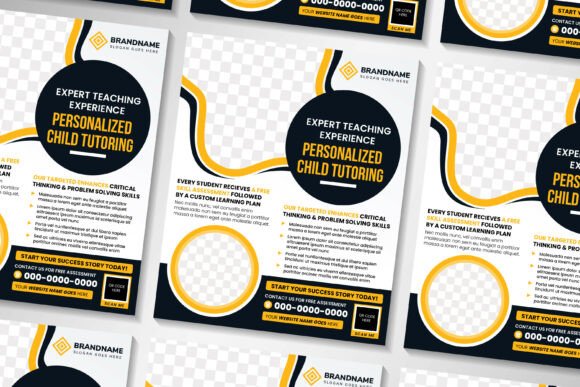
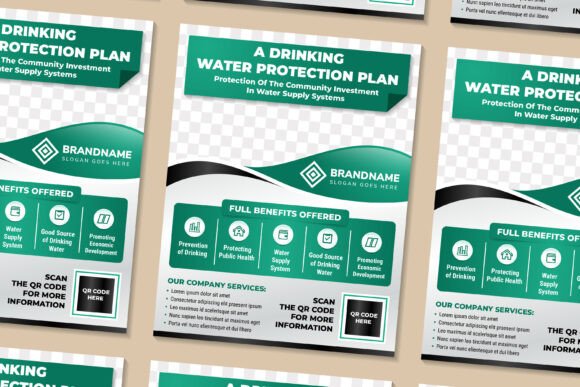
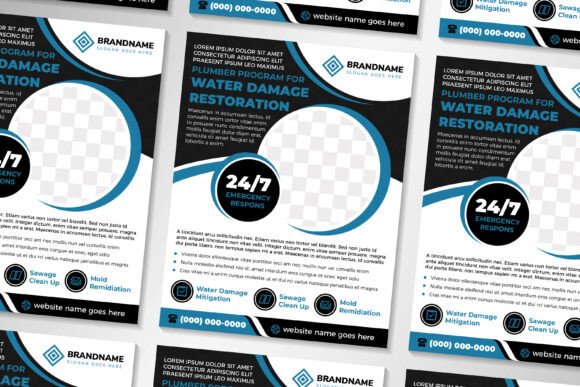
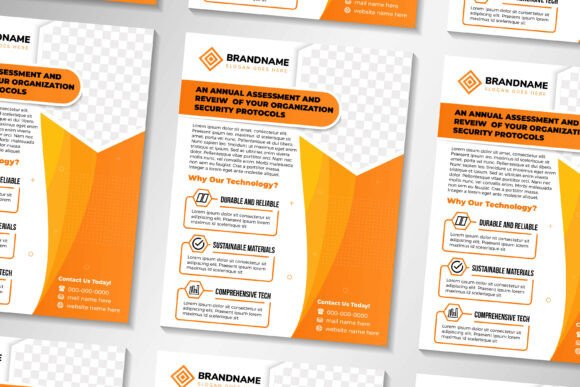
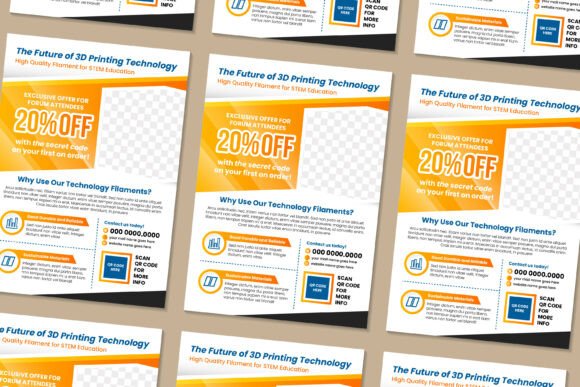
At first glance, Future of 3D Vertical Flyer feels like a bold step into the future of design. The combination of black, blue, and yellow gradient colors gives it a modern yet dynamic look. The vertical layout makes it feel clean and focused, while the isolated white background adds to its professionalism. It’s not just a flyer—it’s an infographic element that feels like it could be part of a larger digital or print campaign.
The mood it creates is tech-forward and slightly futuristic, which makes me think of how this design could translate to embroidered products. Its visual personality leans toward being sleek and minimal, with enough detail to stand out without overwhelming the eye. This kind of design naturally belongs in projects that aim for a polished, professional look—like custom apparel, boutique branding, or even digital product previews.
Real-Life Scenario: Custom Embroidered Tote Bag
Imagine using Future of 3D Vertical Flyer as the main graphic on a custom embroidered tote bag. The vertical layout would work well on the side of the bag, where space is limited but visibility is high. The gradient colors would add depth, especially when stitched with contrasting thread colors. I can see this design fitting beautifully on a handmade tote meant for a craft fair or an Etsy listing.
However, there are a few things to consider. The design’s detail level might require a larger hoop size to ensure clarity, especially around the gradient transitions. On a textured fabric like canvas, the gradients might not show up as sharply as they do on smooth materials. That’s something to test before committing to a full project.
For a tote bag, the stitching clarity is essential. If the design has intricate infographics or subtle lines, those could get lost in dense stitch areas. I’d recommend checking the stitch density and making sure the design works well with satin stitch or fill stitch techniques. Also, testing it on scrap fabric first would help identify any issues with small details or tiny lettering.
Where This Design Shines and Where to Use Carefully
Future of 3D Vertical Flyer performs best on larger surfaces and smoother fabrics. It would look great on sweatshirts, pillow covers, aprons, or even nursery decor items. The color scheme offers good contrast, which helps maintain visual appeal across different fabric types. For example, on light-colored fabrics, the black, blue, and yellow gradients would pop nicely, while on darker fabrics, you might need to adjust the thread colors for better visibility.
On the other hand, this design should be used carefully on small hoop sizes, stretchy fabrics, or curved surfaces like caps. The vertical layout may not adapt well to curved or irregular shapes. Additionally, if the design includes detailed corners or decorative accents, those could become distorted on thin or textured fabrics. It’s also important to consider how frequent washing might affect the embroidery over time, especially if the design uses dense stitch areas.
For commercial embroidery projects, such as creating branded merchandise for a small shop or selling finished products on Etsy, the design’s clarity and professionalism are key. It needs to look sharp and consistent across all products, whether it’s a baby item, holiday gift, or personalized patch.
Design Notes for Embroidery Projects
If you're planning to use Future of 3D Vertical Flyer in your embroidery work, here are some practical tips:
- Test on scrap fabric first: Check how the gradients and details look when stitched. This will help you spot any issues early on.
- Review thread color contrast: Make sure the chosen thread colors match the original design intent, especially if you’re working with dark or light fabric backgrounds.
- Check stitch density: High-density areas can cause puckering or distortion, so adjust the stitch count as needed.
- Confirm hoop size: Ensure the design fits within your hoop without stretching or distorting the fabric.
- Inspect small details: Look closely at any text or fine lines to make sure they remain clear after stitching.
- Use proper stabilizer: Especially on stretchy or thin fabrics, a good stabilizer will prevent shifting and improve overall quality.
- Test in black and white mockups: This helps assess how the design looks on different fabric types and under various lighting conditions.
Also, remember to check licensing terms before selling any finished products or digital versions of this design. While the Print Templates and Graphics categories suggest it’s suitable for multiple uses, confirming the rights is always a safe move.
Final Thoughts: A Versatile Design Asset
Future of 3D Vertical Flyer is a versatile machine embroidery design that can elevate a wide range of handmade and commercial projects. Whether you're creating personalized gifts, custom apparel, or digital product previews, this design brings a fresh, modern aesthetic that stands out. It’s perfect for anyone looking to add a touch of innovation to their embroidery work, from hobbyists to seasoned crafters.
With careful consideration of fabric type, stitch density, and color contrast, this design can become a valuable addition to your creative toolkit. As a designer who values both aesthetics and functionality, I believe Future of 3D Vertical Flyer is worth exploring for real-world embroidery applications. Just remember to test it first and tailor it to your specific project needs.